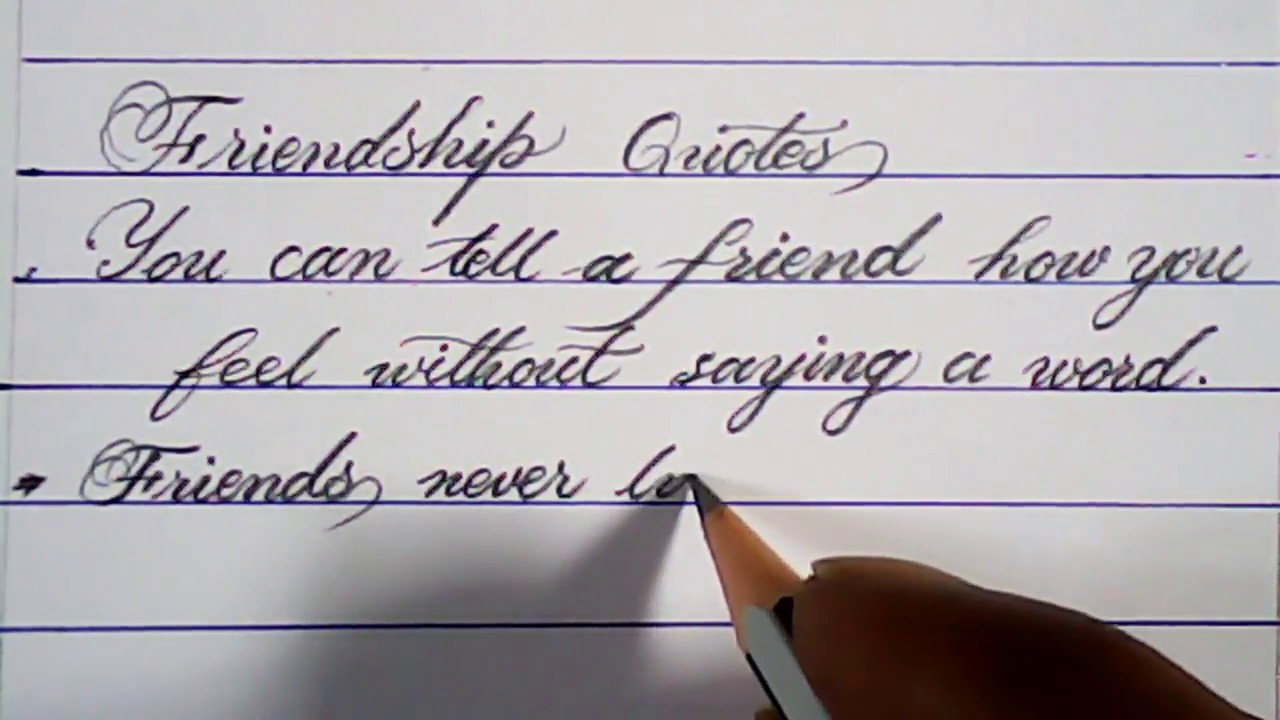
1) Warm-Up Lines to Wake Up the Fingers
Before letters come to life, tiny hands need a gentle wake-up. Ask children to draw straight lines, slanted lines, and gentle waves across the page for two minutes. These simple strokes build control without pressure. Teachers in Lahore start class with this because it calms kids and primes muscles for neat writing.
For handwriting improvement kids, these lines teach directionality and spacing. Keep the pencil grip relaxed, shoulder down, and wrist steady. Use wide-ruled sheets at first, then narrow. A small sand timer keeps practice short and fun while still building consistency.
2) Rainbow Tracing for Letter Shapes
Print large letters and have children trace each one three to five times using different colored pencils. The layered “rainbow” path strengthens muscle memory and shows where lines wobble. Teachers often begin with high-frequency letters used in Urdu and English classrooms across Lahore.
This routine helps handwriting improvement kids by reinforcing shape, height, and baseline alignment. Encourage slow, careful tracing rather than racing across the page. If a stroke is tricky, isolate just that part (like the tail of “g” or the top loop of “h”) and practice it in rows.
3) Pencil Control Mazes and Pathways
Create simple mazes that get progressively tighter. Ask kids to stay within the lines, turning corners slowly. This turns precision into a game and builds steadiness for letters and numbers. Lahore teachers use maze sheets as quick bell-ringers before copywork.
For handwriting improvement kids, mazes train fine motor control, visual tracking, and patience. Keep paths bold and clear for beginners, then thinner as skill improves. Celebrate clean corners and smooth curves, not speed. Ten minutes a day is enough to see visible gains within weeks.
4) The Pinch-Flip-Rest Grip Check
A proper tripod grip is non-negotiable for clean writing. Teach the “pinch-flip-rest”: pinch the pencil near the tip with thumb and index finger, flip it so it rests on the middle finger, then relax the other two fingers. Teachers in Lahore model this at the start of every session.
This quick reset helps handwriting improvement kids avoid claw grips and shoulder tension. Use short golf pencils or triangular grips for younger children. If the wrist lifts off the desk or the pencil is choked too high, pause and redo the grip check. Good posture and a tilted page also matter.
5) Big-to-Small Letter Formation
Begin letters large on a whiteboard or chart paper, then scale down to copybook size. Starting big makes strokes clear and teaches start-and-finish points. Lahore classrooms often trace letters in the air first, then move to paper.
This step-down approach supports handwriting improvement kids who struggle with proportion. Practice lowercase families together (like a, c, o) to reinforce shared shapes. Use verbal cues such as “start at the top, curve around, close the circle” to build reliable routines.
6) Spacing Tricks: Finger, Dot, and Box Methods
Neat writing isn’t just about letters; spacing is the secret sauce. Try the finger space for beginners, placing a finger between words. Shift to a tiny dot method for intermediate writers, and finally to light pencil boxes that guide even spacing and letter height.
Teachers in Lahore like these quick aids because they reduce crowded lines and random gaps. For handwriting improvement kids, consistent spacing boosts readability and confidence. Combine spacing practice with short sentences about familiar places in Lahore to keep engagement high.
7) Line Discipline: Baselines, Midlines, and Tails
Use three-line or four-line paper so children see where letters sit, stretch, and dip. Emphasize the baseline for most letters, the midline for tall parts like “t” and “l,” and the below-line tail for “g,” “p,” and “y.” Mark a green starting dot and a red finishing dot to clarify direction.
This visual structure helps handwriting improvement kids maintain uniform height and clean descenders. Teachers often review a single tricky letter each day rather than rushing a full alphabet. Small wins like a perfect “y” row motivate bigger improvements across words.
8) Strength and Dexterity Games
Fine motor strength supports stamina. Rotate activities like tearing paper into strips, threading beads, squeezing a stress ball, or using tweezers to pick up buttons. Many Lahore tutors pair these with short writing bursts to avoid fatigue.
These playful drills power handwriting improvement kids by strengthening finger isolation and control. Add simple wrist circles and shake-outs between exercises. Five minutes of dexterity games before writing can reduce messy strokes and help children sustain neatness for longer tasks.
9) Copy, Cover, Write: The Accuracy Drill
Show a model word, let the child copy it once while studying carefully, then cover the model and write it again from memory. Compare both attempts to the original. This sharpens attention to detail and reinforces letter order and spacing.
Teachers across Lahore use this to transition from tracing to independent writing. For handwriting improvement kids, it builds accuracy and recall. Keep words meaningful, like local landmarks or classroom topics, and track progress weekly to show tangible growth to parents.
Conclusion
In Lahore’s busy classrooms and homes, short, focused routines beat marathon handwriting sessions. Warm-ups, tracing, mazes, grip checks, and spacing tools give children a clear, repeatable path to neater lines and letters. When these steps are paired with strength games and accuracy drills, results compound quickly.
Whether your child writes in English, Urdu, or both, the goal is the same: steady control, consistent spacing, and confident letter formation. Prioritize these exercises for handwriting improvement kids, keep sessions brief and positive, and celebrate every clean curve, straight line, and well-spaced word. With patient practice, neat handwriting becomes a daily habit rather than a daily battle.