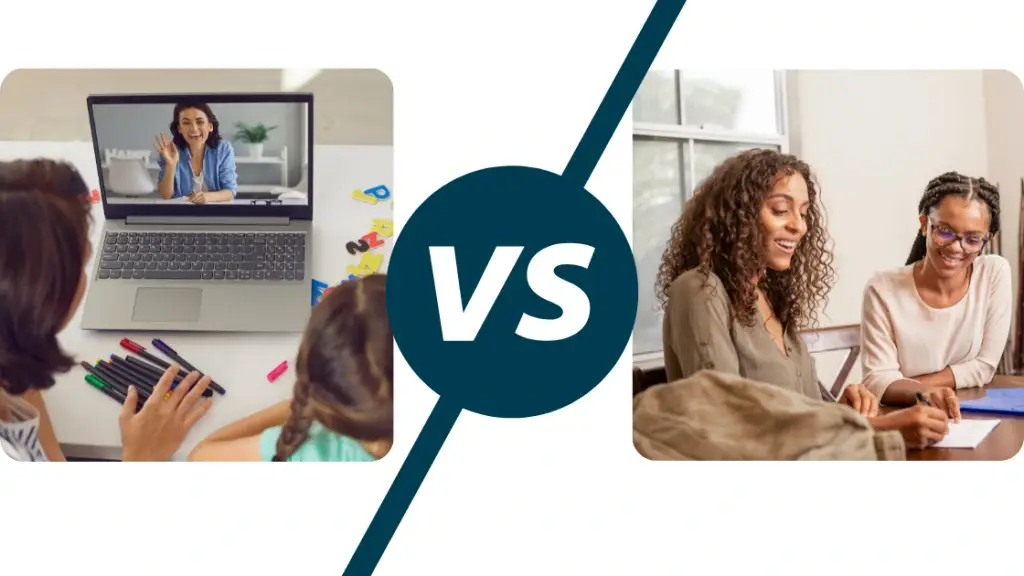
In today’s fast-paced world, students, parents, and working professionals often find themselves questioning the most effective way to learn. With the rise of online education, there’s a growing debate: Is online learning better than traditional classroom learning? While both have their benefits, choosing the right learning method depends on your specific needs and goals.
Whether you’re a student seeking help with a difficult subject, a parent trying to decide the best education route for your child, or a professional looking to sharpen your skills, understanding the pros and cons of online and classroom learning will help you make an informed decision.
Let’s dive into the differences between these two learning options and explore which one might be best suited for you or your child.
The Basics: What is Online Learning?
Online learning refers to education that takes place over the internet. Instead of being confined to a physical classroom, students can access their lessons and materials at any time, from anywhere. Online learning is often conducted through video calls, live chat, and interactive online platforms, with the flexibility to work at your own pace.
Why is online learning popular?
Online learning has become increasingly popular because it offers flexibility and accessibility. Busy students or working professionals can study at a time that suits them, whether early in the morning or late at night. This allows for a better balance between personal, academic, and professional responsibilities.
For example, consider a student preparing for exams. Instead of spending hours commuting to and from a physical school, they can attend online classes from the comfort of their own home, saving time and reducing stress.
The Traditional Classroom Learning Experience
Classroom learning, on the other hand, is the traditional way of education where students gather in a physical classroom and learn from a teacher face-to-face. The teacher guides the lesson, provides immediate feedback, and can engage students with hands-on activities and real-time discussions.
Benefits of Classroom Learning
Immediate Interaction and Support: In a classroom setting, students can ask questions and get immediate answers from the teacher. This helps clarify any doubts right away, which can be crucial for better understanding.
Structured Learning Environment: Classroom settings are typically more structured, with fixed schedules and a set curriculum. This structure can help students stay on track and motivated.
Social and Peer Interaction: One significant advantage of classroom learning is the opportunity for social interaction. Students can engage with their peers, discuss concepts, and learn through collaborative activities.
Online Learning vs. Classroom Learning: What Are the Key Differences?
Flexibility and Convenience
One of the biggest advantages of online learning is its flexibility. Students can take courses from the comfort of their home, eliminating the need for commuting. They can access lessons at any time, fitting their studies around work or family schedules.
For instance, working professionals who want to enhance their skills without interrupting their workday can benefit greatly from online courses. Whether it’s a career-related course or personal development, online learning allows individuals to learn at their own pace, which is a huge advantage for those with busy lives.
Classroom learning, however, is fixed in time and place, which means students must adhere to a schedule. While this may work for some students, it can be challenging for others with hectic lifestyles or work commitments.
Engagement and Interaction
Classroom learning tends to have an edge when it comes to engagement. With face-to-face interactions, teachers can read students’ body language and adjust the lesson in real-time. Students also benefit from peer discussions, group activities, and instant feedback, all of which foster a deeper understanding of the subject.
On the other hand, online learning can sometimes feel less engaging. While live video calls and virtual classrooms try to mimic the in-person experience, there is often a lack of immediate interaction. However, many online tutors use advanced platforms to make learning engaging, incorporating videos, quizzes, and interactive assignments to ensure students stay involved.
Personalized Learning Experience
When it comes to one-on-one attention, online learning often has the upper hand. Online tutoring services, such as those offered by WiselyTutors, provide personalized learning plans that are tailored to the specific needs of each student. This level of attention can be challenging to achieve in a traditional classroom, where the teacher has to divide their focus among many students.
For example, if a student struggles with a particular concept, an online tutor can take the time to explain the material in different ways until the student fully understands. In contrast, classroom settings often have a larger student-to-teacher ratio, meaning some students may not receive the same level of personalized support.
Exam Preparation: Which Method is More Effective?
When it comes to preparing for exams, both online and classroom learning have their advantages.
In the classroom, teachers can guide students through exam strategies, provide feedback on practice questions, and engage students in group study sessions. The structure and schedule of classroom learning can help students stay focused during exam preparation.
However, online learning offers a unique advantage when it comes to self-paced revision. Students can access previous lessons, practice questions, and mock exams at any time, revising at their own pace. This flexibility is particularly beneficial for students who need extra time to understand certain topics or who want to study on their own schedule.
For example, if a student is preparing for a major exam, they can book online tutoring session with WiselyTutors to receive tailored exam prep. This focused guidance can make all the difference in boosting their exam confidence.
The Verdict: Which Is Better?
The decision between online learning and classroom learning ultimately depends on the learner’s personal preferences, lifestyle, and goals.
Online Learning: Ideal for students who need flexibility, personalized attention, or are juggling work and study. Online learning also works well for those who prefer to learn at their own pace or need extra help in specific subjects.
Classroom Learning: Perfect for students who thrive in a structured, social environment with face-to-face interactions. It is a great option for younger students or those who benefit from real-time engagement and group learning.
Why Choose WiselyTutors for Online Learning?
If you or your child are considering online tutoring, WiselyTutors offers a personalized, flexible, and supportive learning experience. Our online tutors specialize in a variety of subjects, exam preparation, and skills development. Whether you need help with a specific topic, want to improve your grades, or prepare for an important exam, our tutors are here to support you every step of the way.
Ready to start your learning journey? Book a free consultation with WiselyTutors today to explore how we can help you achieve your academic goals with online tutoring.
Conclusion
Both online and classroom learning have their unique benefits. Classroom learning offers structure and immediate interaction, while online learning provides flexibility and personalized attention. The best choice depends on your individual needs and learning style. Whether you opt for the classroom or choose to book an online tutor, the most important thing is to keep learning and stay motivated.